When you log in to a website (like your email, bank, or favorite online store), you’re given a temporary digital pass called a session cookie. This small file lives in your browser and tells the site who you are, so you don’t have to re-enter your username and password every time you click around.
Session cookies make online browsing seamless, keeping you logged in as you move from page to page. Without them, you’d have to sign in again every time you refreshed or opened a new section of the site.
What Is Session Hijacking?
Session hijacking happens when someone steals that digital pass. If a hacker gets hold of your session cookie, through malware, an insecure network, or browser vulnerabilities, they can impersonate you online. That means they could access your account and perform actions as if they were you, all without ever needing your password.
How Do Attackers Steal Session Cookies?
Here are some common ways session hijacking happens:
- Intercepting cookies over unsecured Wi-Fi networks
- Using malware or spyware installed on your device
- Exploiting weaknesses in website security
- Guessing weak session IDs when security is poor
Once attackers have the cookie, they can browse your account, read your messages, or even make changes, all while pretending to be you.
Why This Is Dangerous
Session hijacking can cause serious problems because the attacker:
- Bypasses the login process completely
- Gains full access to your account without your knowledge
- Can steal sensitive data, make unauthorized transactions, or damage your information
You might not even notice anything is wrong until it’s too late.
How We Help Protect You
To keep your accounts safe from session hijacking, we focus on several important protections:
1. Strong Session Management
We work with web applications to implement strong session ID generation and expiration policies, so cookies cannot be easily guessed or reused.
2. Device Security
We help keep your devices free from malware that can steal cookies or other sensitive information.
3. User Education
We train your team on safe browsing habits, recognizing suspicious activity, and avoiding unsafe networks.
4. Multi-Factor Authentication (MFA)
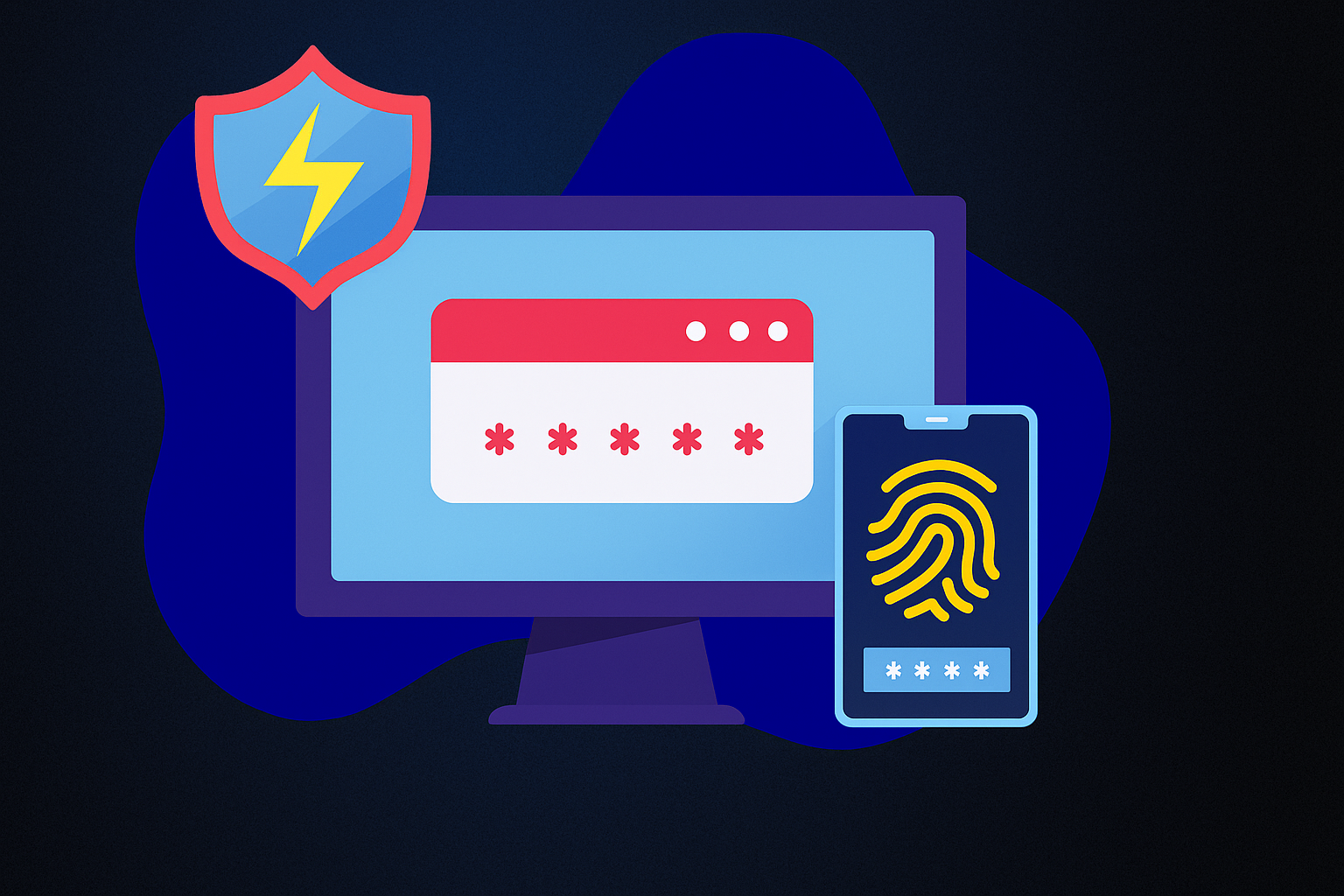
Adding MFA makes it much harder for attackers to use stolen cookies, because they need a second form of verification.
What You Can Do Right Now
- Always use secure, trusted networks when logging into important accounts
- Avoid clicking suspicious links or downloading unknown files
- Keep your software and devices updated with the latest security patches
- Use strong, unique passwords and enable MFA wherever possible
Why It Matters
Session hijacking is a silent threat that can give hackers full access to your accounts without needing your password. With proper security in place, you can enjoy the convenience of staying logged in without putting your data at risk.
If you want to make sure your business is protected from session hijacking and other cyber threats, reach out to us. We’re here to keep your online accounts and data safe.
Want to keep your business safe from session hijacking? Click HERE to schedule a call with one of our experts!
Contact us:
Connect with us on LinkedIn